Land Reform as the Path to Peace
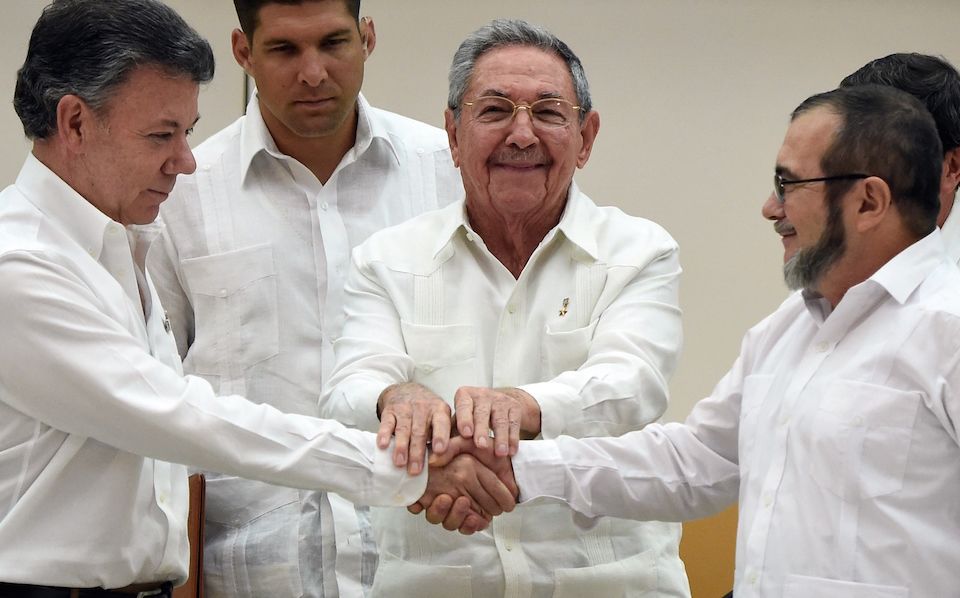
Land reform has always been at the heart of any serious attempt to end Colombia's civil war. The 2016 peace agreement between the Colombian government and the FARC — the most significant diplomatic achievement in the country's modern history — placed rural land reform as its very first chapter, acknowledging that the conflict could not be resolved without addressing the inequality that had fueled it. The agreement promised the creation of a land fund to redistribute three million hectares to landless peasants, the formalization of seven million more, and substantial investment in rural infrastructure and development. In practice however, implementation has been slow and deeply incomplete. Powerful landowners and political elites have resisted redistribution at every turn, and successive governments have failed to fully honor the agreement's commitments. The FARC largely disarmed, but a significant faction rearmed after concluding the state had no intention of following through. The peace process demonstrated both what was possible and how fragile progress remains when the structural conditions that caused the war are left fundamentally intact.