Overview
Natural gas is a key fuel for heating, electricity generation, and industry. It is more environmentally friendly than coal and oil when burned, but it still contributes to many of the world's greenhouse gas emissions.
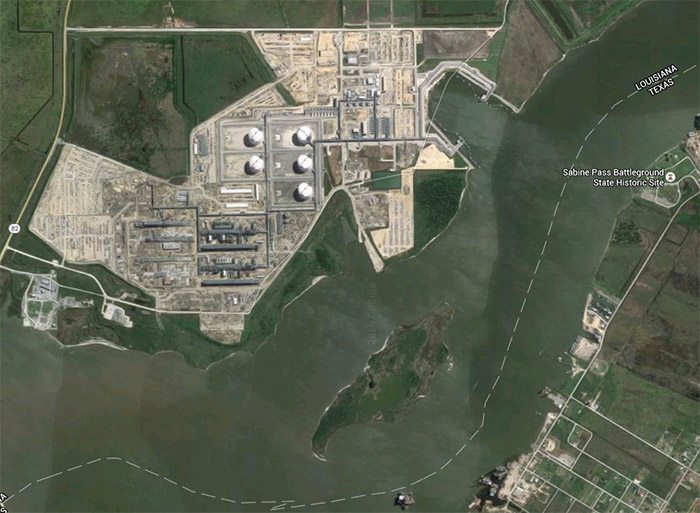
Beyond the climate debate, natural gas is deeply tied to infrastructure such as pipelines, compressor stations, storage facilities, and liquefied natural gas (LNG) terminals. Whoever controls these networks often controls supply.
Deposits
Major natural gas deposits and production regions include:
- Russia - Western Siberia, Yamal Peninsula
- United States - Marcellus, Permian, Haynesville shale basins
- Qatar and Iran - North Field / South Pars
- Norway - North Sea and Norwegian Sea offshore fields
- Algeria - Sahara gas fields
- Australia - Offshore LNG projects
- Eastern Mediterranean - Israel, Cyprus offshore fields

Geopolitics
Natural gas is mostly local/regional because most of it moves through fixed pipelines. This forces producers and consumers into long-term relationships that can be cooperative or confrontational.
In Europe, dependence on Russian gas turned pipeline routes like Nord Stream into russian political pressure. LNG exports from the U.S., Qatar, and others are reshaping these relationships by adding more flexible supply.

