Land Inequality as a Source of Conflict
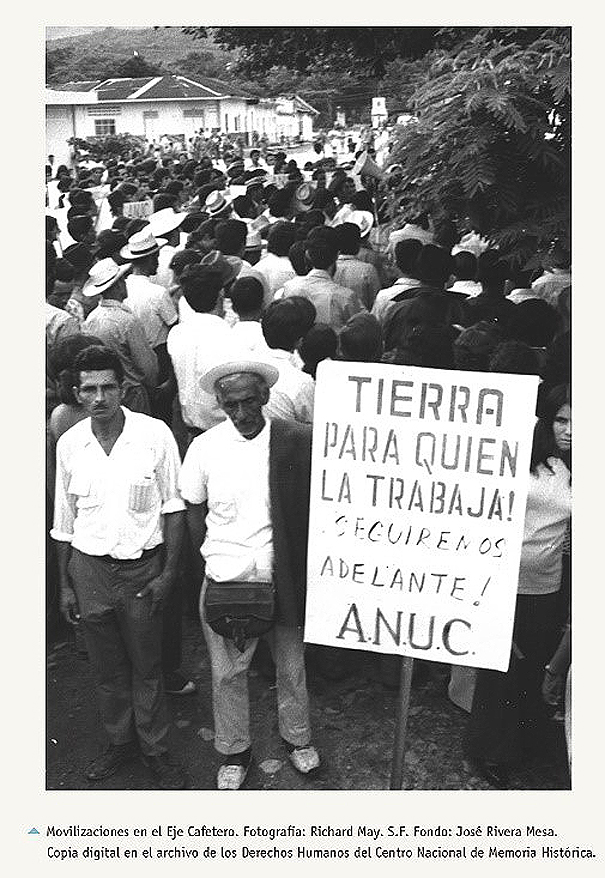
Colombia's land inequality has its roots in the Spanish colonial period, when vast territories were granted to a small number of European settlers and the Catholic Church through a system known as the encomienda. Indigenous communities were dispossessed of their ancestral lands, and this concentration of ownership was never meaningfully reversed after independence. By the 1960s, less than 5% of landowners controlled over half of Colombia's agricultural land, leaving millions of rural peasants — known as campesinos — with little to no land of their own. This extreme imbalance created a permanent underclass of rural poor, whose desperation and anger would become one of the primary fuels of the armed conflict that followed.