Land Inequality

Agriculture Image

Expansion of Commercial Agriculture

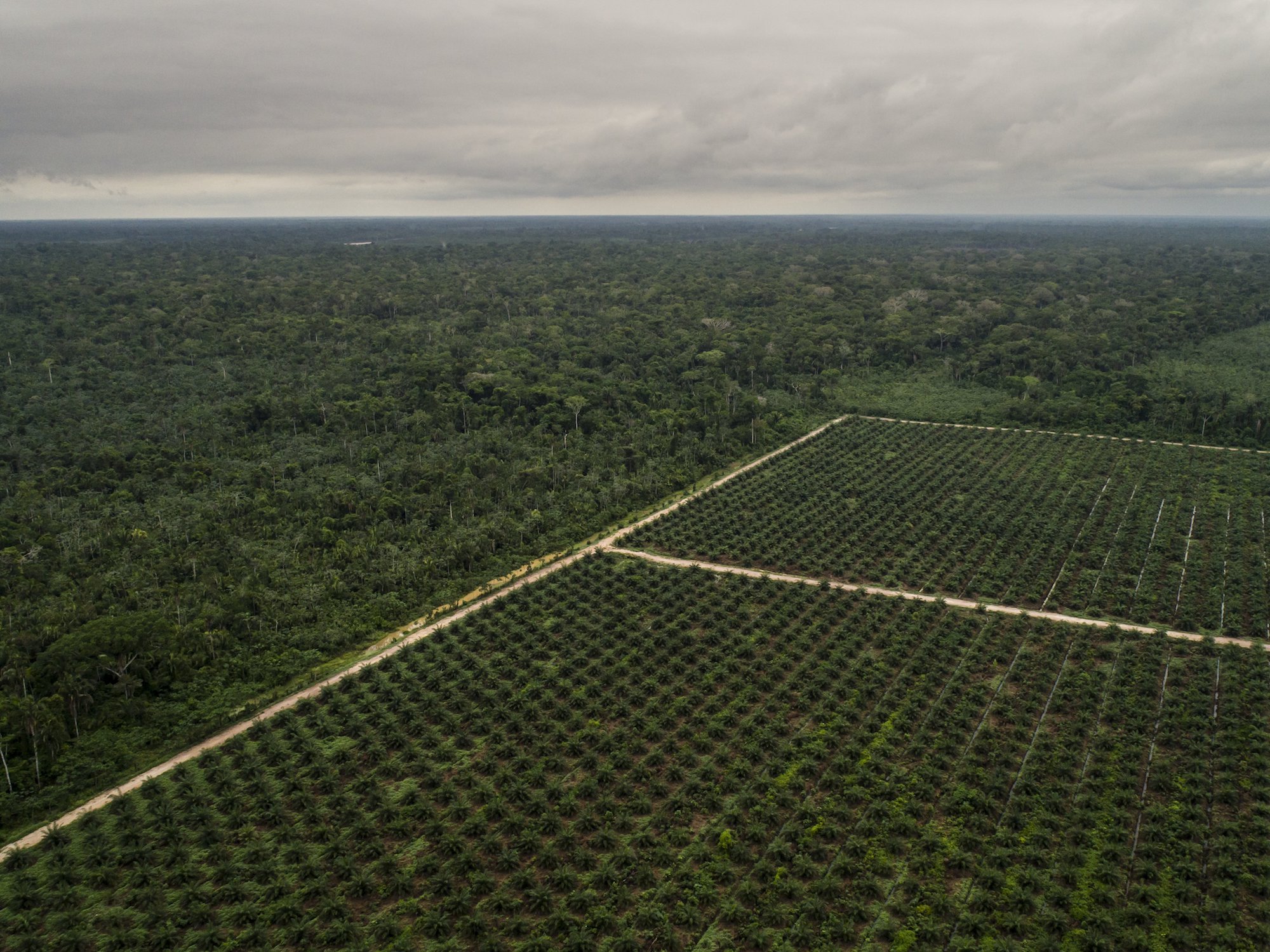
Throughout the 1970s, the Colombian government shifted its economic strategy away from land redistribution and toward large-scale agricultural export. Rather than breaking up the estates of the landed elite, the state began actively subsidizing their expansion — providing credit, infrastructure, and institutional support to landowners willing to convert their holdings into commercial export operations. Crops like palm oil, coffee, and bananas became the cornerstone of this new agrarian economy, and with them came a wave of land consolidation. Large landowners seized the opportunity to expand their estates aggressively, often at the direct expense of small farmers and rural communities who were pushed off land they had worked for generations. The countryside was being reorganized not around the needs of the peasantry, but around the demands of international markets.
Peasant Marginalization

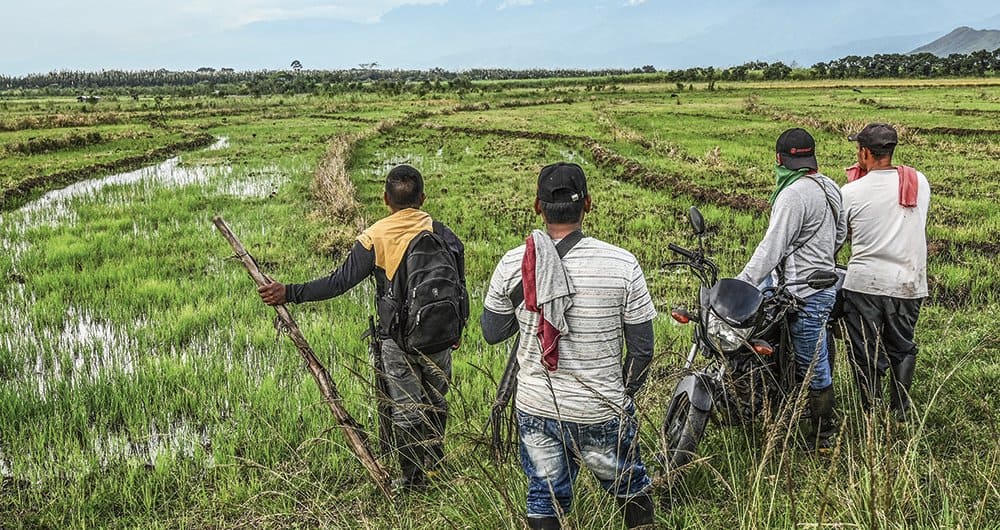
As Colombia's landed elite expanded their agricultural estates throughout the 1970s and 1980s, millions of rural peasants found themselves with nowhere to go. Those who were not absorbed into poorly paid agricultural labor were pushed outward — deep into Colombia's frontier regions, where the land was remote, infertile, and entirely without state support. Others flooded into the rapidly growing urban peripheries of cities like Bogotá, Medellín, and Cali, where they joined a growing underclass living in makeshift settlements with no running water, no employment security, and no political representation. The frontier regions they were pushed into — the Amazon basin, the Pacific lowlands, the Llanos — were not empty. They were ungoverned spaces where the state had never reached, and where armed groups would soon fill the vacuum. The forced displacement of Colombia's peasantry did not just create poverty — it created the precise conditions in which insurgency could take root and grow.

Agriculture Image 2

Guerrilla Resistance

← Home