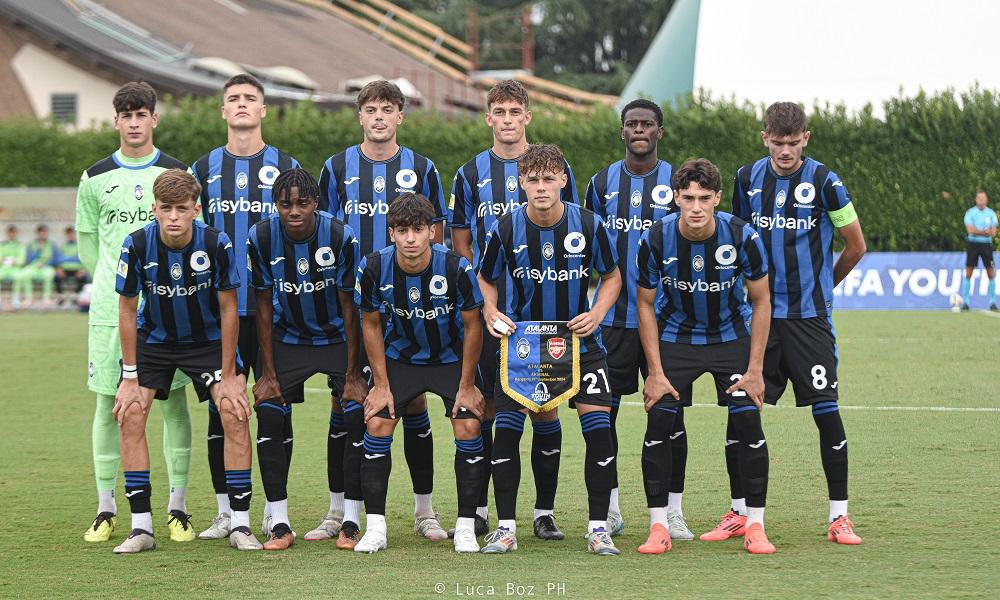
Atalanta BC is a professional football club based in Bergamo. The team has become one of the most respected clubs in Italian football in recent years,
known for its attacking style, strong teamwork, and excellent player development.
Atalanta competes in Serie A, the highest division of football in Italy, and plays its home matches at the Gewiss Stadium. The club is often nicknamed “La Dea” (The Goddess),
and its supporters are known for being extremely passionate and loyal.
Unlike many traditional top clubs, Atalanta is widely admired for its focus on developing young talent and playing an aggressive, high-scoring style of football.
In recent years, the club has consistently competed at the top of Serie A and has also performed strongly in European competitions, gaining recognition across Europe.
Today, Atalanta is seen as one of Italy’s most exciting teams, combining smart management, a clear football philosophy, and a strong connection with its local community.
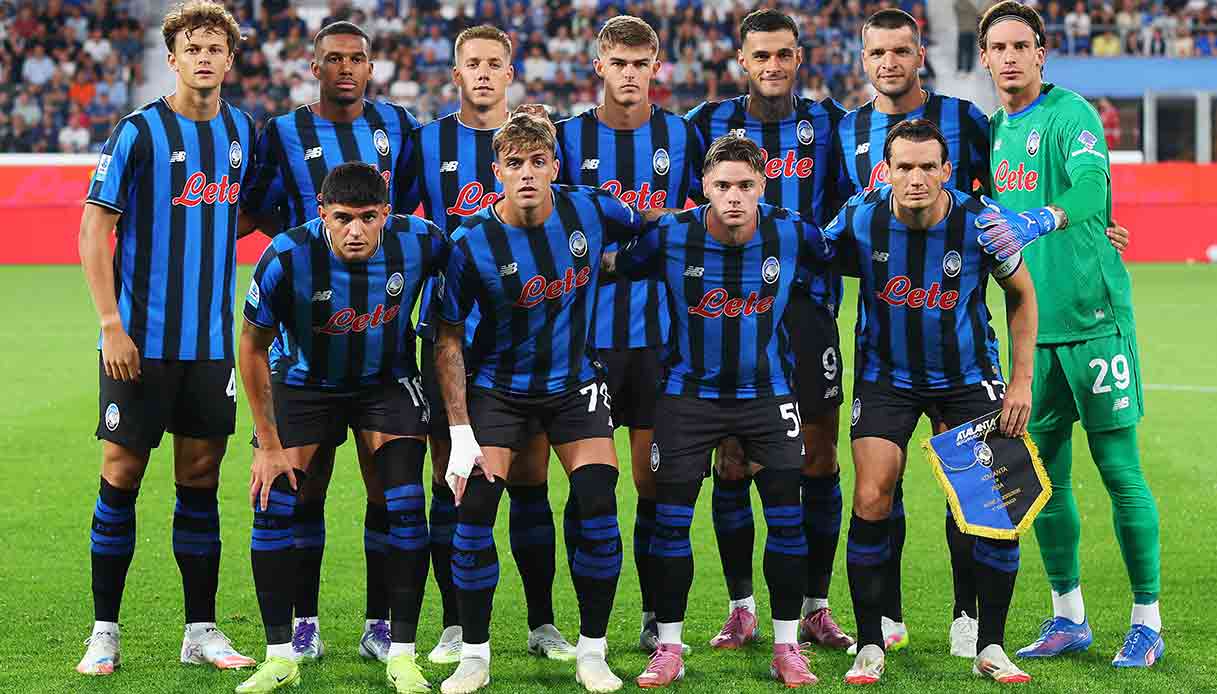
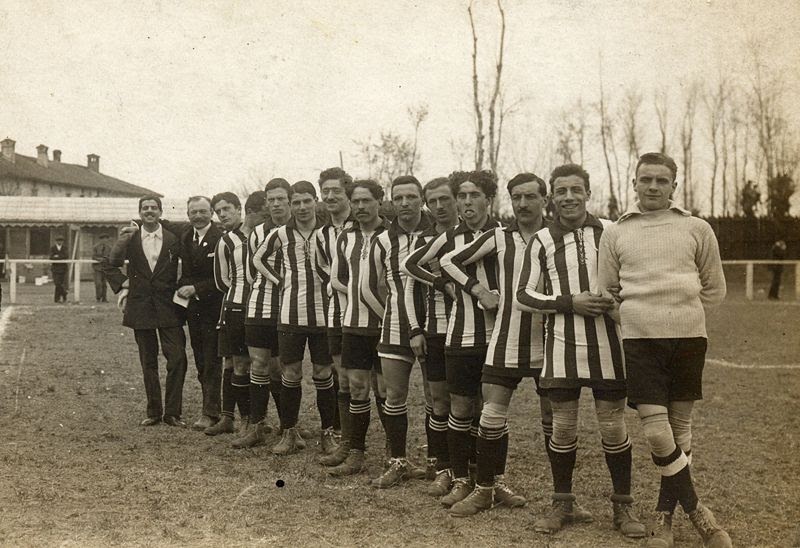
Atalanta BC has a long and steadily evolving history that reflects its transformation from a modest local club into one of Italy’s most respected modern teams.
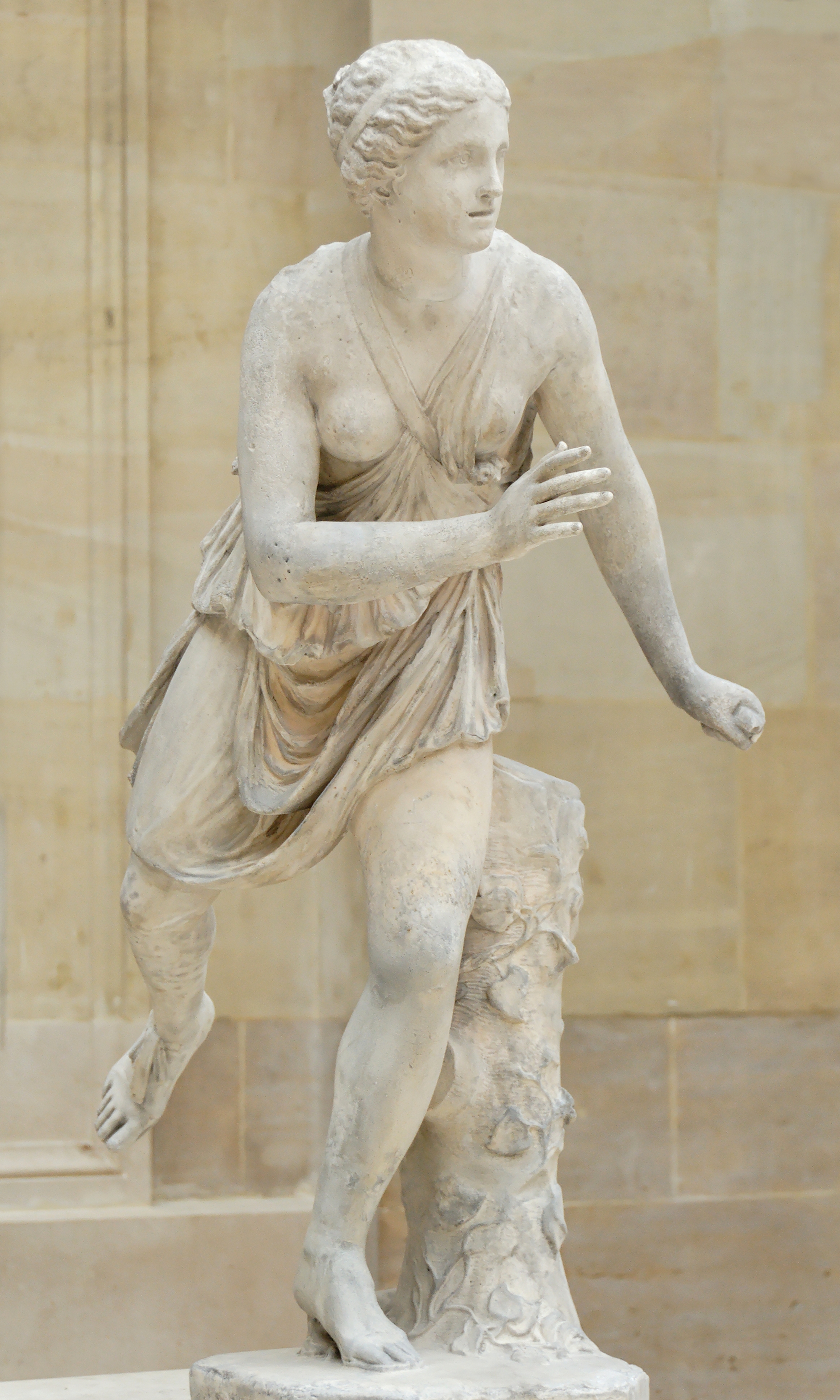
The club was founded in 1907 in Bergamo, originally created by a group of students. It took its name from Atalanta, a figure from Greek mythology known for speed and athleticism.
In its early decades, Atalanta spent much of its time moving between divisions in Italian football, gradually building its identity and fan base.
In 1928, Atalanta merged with another local club, which helped strengthen its structure and allowed it to establish itself more firmly in Italian competitions.
Over time, the club became known for being a “yo-yo team,” often moving between Serie A and Serie B, but always maintaining a reputation for hard work and strong youth development.
A major milestone came in 1963, when Atalanta won the Coppa Italia, its first major trophy.
This victory gave the club national recognition and remains an important moment in its history.
From the late 20th century onward, Atalanta became especially famous for its youth academy,
producing many talented players who went on to succeed at top clubs in Italy and across Europe. This focus on development became one of the club’s defining characteristics.
The modern golden era began in the 2010s under coach Gian Piero Gasperini. Atalanta transformed into one of the most exciting attacking teams in Europe,
regularly finishing at the top of Serie A and qualifying for the UEFA Champions League for the first time in 2019. During this period,
the club also reached the final stages of European competitions and became known for its high-scoring, aggressive style of play.
Today, Atalanta is recognized as one of Italy’s most innovative and competitive clubs, admired for its tactical identity, strong scouting system,
and ability to challenge much larger and wealthier teams.
Atalanta BC doesn’t have a huge number of traditional “historic” rivalries like some of Italy’s biggest clubs,
but it does have a few important and emotionally charged matchups that matter a lot to its fans in Bergamo and beyond.
The most important rivalry is with Brescia Calcio. This is known as the “Derby Lombardo” (Lombardy Derby). It’s based on regional pride within the Lombardy region.
Bergamo and Brescia are relatively close cities, and the rivalry is fueled by local identity, bragging rights, and long-standing sporting competition. Even though the two clubs don’t always meet regularly in Serie A, when they do, the atmosphere is very intense.

Atalanta also has competitive rivalries with bigger Italian clubs due to recent success, especially Inter Milan, AC Milan, and Juventus.
These are not traditional local derbies,
but they have become increasingly important because Atalanta has consistently challenged them for top positions in Serie A and European qualification spots.
Matches against these teams often carry high stakes and strong emotions.

In recent years, Atalanta’s rise has also created growing tension with clubs fighting for similar ambitions,
making their “rivalries” more about competition at the top level rather than long historical hostility.
Overall, Atalanta’s rivalries are a mix of local pride (especially against Brescia) and modern competitive battles against Italy’s biggest clubs.
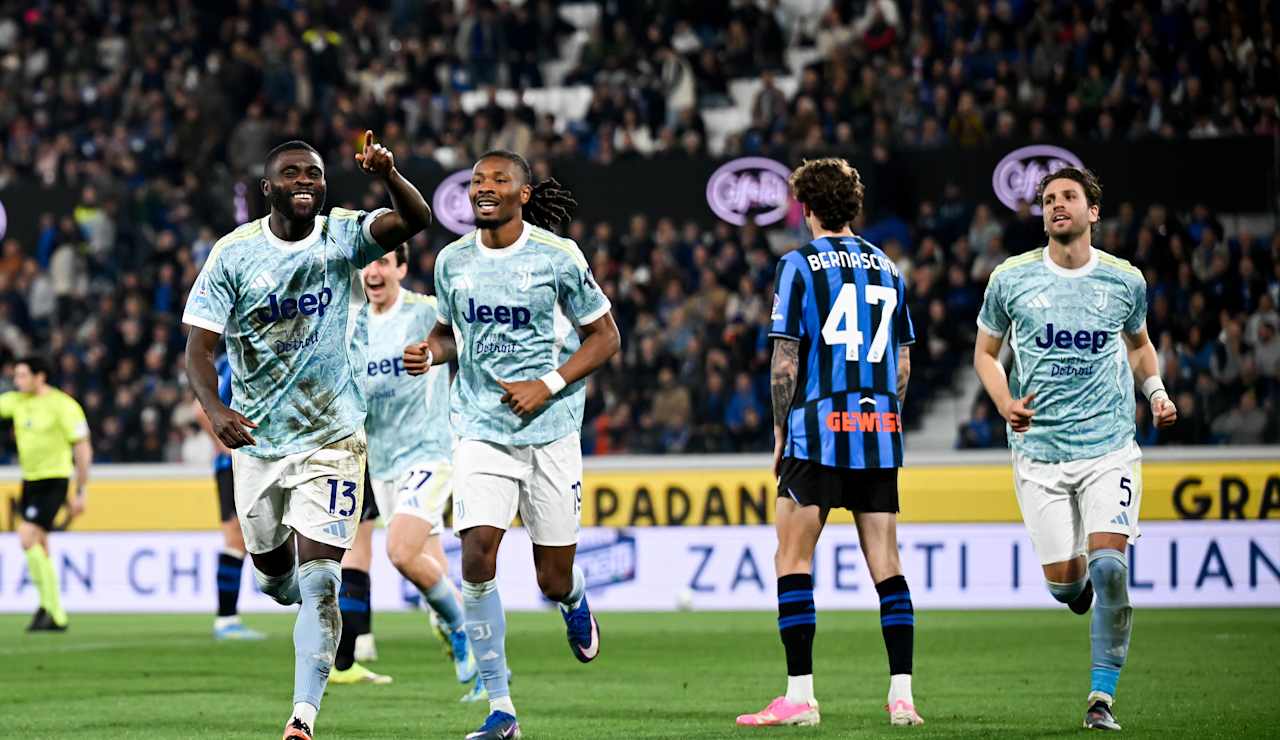
Fun fact:
1. Atalanta is often called “La Dea” (The Goddess), and the club’s name comes from a heroine in Greek mythology known for her speed and athletic ability—very fitting
for a team famous for fast, attacking football.
Fun fact:
2. Atalanta is one of the most successful clubs in Italy when it comes to developing young talent.
Its youth academy has produced many top players who later moved on to bigger European clubs, making it a key “talent factory” in Serie A football.