
Serie A stadiums are a distinctive mix of historic football cathedrals, aging municipal arenas, and a smaller number of modern redevelopments,
giving Italian football a very different identity from leagues like the Premier League or Bundesliga.
Most stadiums were built between the 1920s and the 1990s and were designed as multi-purpose municipal venues rather than football-specific grounds,
which is why many still feature running tracks, enormous concrete stands, and older infrastructure. While this often means less comfort and fewer modern amenities, i
t also creates some of the most atmospheric environments in European football. Italian ultras culture remains deeply influential, and stadiums such as San Siro, Stadio Olimpico,
Stadio Diego Armando Maradona, and Stadio Luigi Ferraris are renowned for their intense crowds, choreographed tifos,
and intimidating acoustics that many fans consider unmatched in Europe. At the same time, Serie A stadiums are frequently criticized for outdated seating,
limited hospitality areas, poor sightlines in track stadiums, and inconsistent maintenance,
problems made worse by the fact that many clubs do not own their stadiums and must rely on local governments for approvals and renovations.
This bureaucratic structure has slowed modernization for decades and left Italy behind other major leagues in stadium development.
Nevertheless, some clubs have become examples of successful modernization. Allianz Stadium, home of Juventus, is widely considered the model Italian stadium because it is compact,
modern, football-focused, and built close to the pitch, creating an intense atmosphere while also generating strong commercial revenue.
Gewiss Stadium and Bluenergy Stadium are also seen as successful modern redevelopments that balance contemporary design with traditional football culture.
Meanwhile, iconic older venues like San Siro and the Olimpico remain globally famous despite visibly aging infrastructure, because fans still value their history,
scale, and emotional identity more than pure comfort. Italy is now entering a gradual redevelopment era, partly driven by preparations for UEFA Euro 2032,
with clubs such as Roma, Milan, Inter, Fiorentina, Bologna, and Cagliari pursuing new stadium plans or major renovations,
although progress remains slow due to heritage protections, archaeology regulations, political disputes, and financing issues. Overall,
Serie A stadiums are less polished and modern than many of their European counterparts, but they are widely admired for their authenticity, history,
atmosphere, and strong local identity, qualities that continue to define Italian football culture.
Allianz Stadium

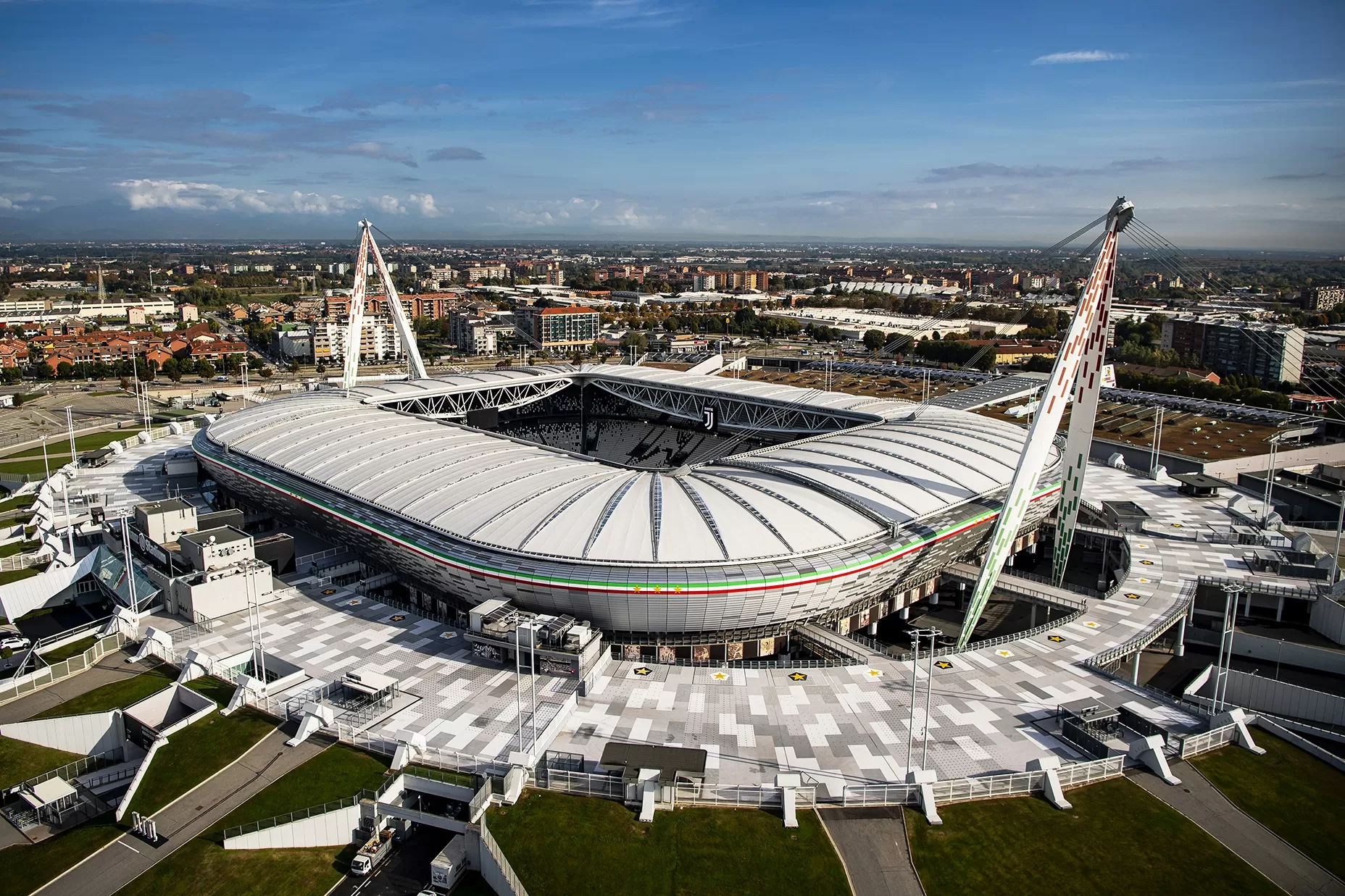
Capacity: 41,507
The Juventus FC stadium, officially known as the Allianz Stadium, is one of the most modern and iconic football stadiums in Italy. Located in the city of Turin,
it serves as the home ground of Juventus since 2011 and was built on the site of the former Stadio delle Alpi.
The stadium has a capacity of approximately 41,500 spectators and was designed specifically for football, unlike many older Italian stadiums that included athletics tracks.
Because of this design, the stands are positioned very close to the pitch, creating an intense atmosphere during matches and allowing fans to feel closely connected to the
action on the field. The stadium was originally called Juventus Stadium, but in 2017 its name changed to Allianz Stadium following a sponsorship agreement with the insurance
company Allianz. One of the most important aspects of the stadium is that it is fully owned by Juventus,
making it the first club-owned stadium in Serie A and a model for modern football infrastructure in Italy.
The project represented a major step forward financially and commercially for the club, as it allowed Juventus to generate revenue from ticket sales, hospitality services,
events, shops, restaurants, and tourism activities connected to the stadium complex. Inside the venue there are premium lounges, VIP areas, fan zones, and the famous Juventus Museum,
where visitors can explore the club’s history, trophies, legendary players, and memorable moments. Guided tours of the stadium allow fans to visit areas such as the dressing rooms,
players’ tunnel, press room, and the edge of the pitch itself. The stadium has also hosted important international football events,
including the final of the 2014 UEFA Europa League. Architecturally, the venue is recognized for its modern style, excellent visibility from every seat,
and environmentally conscious design. The atmosphere during major Serie A and UEFA Champions League matches is considered among the best in Europe, especially because of the
passionate Juventus supporters who create impressive choreographies and chants. Today, the Allianz Stadium is not only the symbol of Juventus but also one of the
landmarks of modern Italian football.
Stadio San Siro/Stadio Giuseppe Meazza

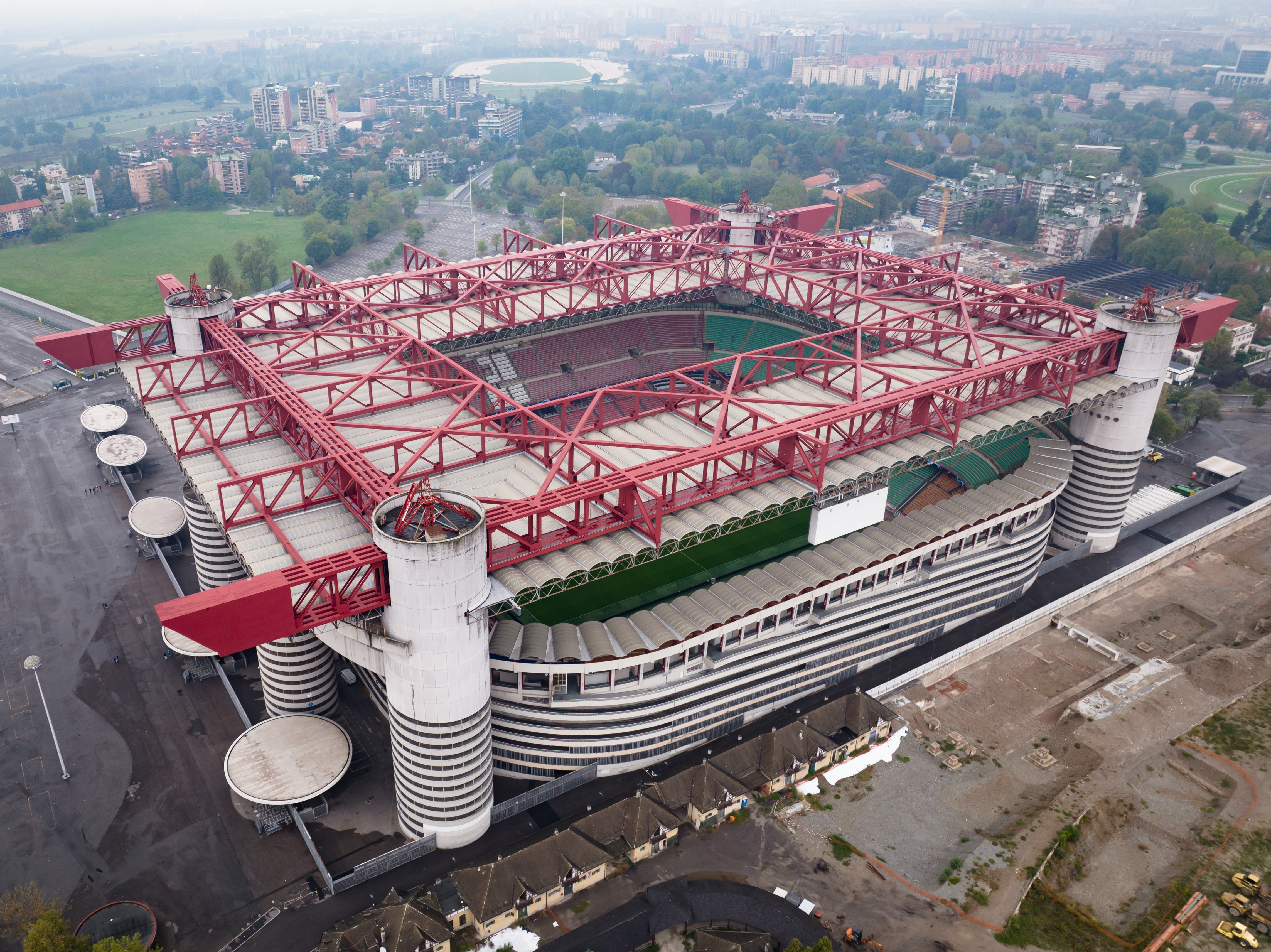
Capacity: 75,817
The San Siro, officially known as the Stadio Giuseppe Meazza, is one of the most famous and historic football stadiums in the world.
Located in the city of Milan, it serves as the home stadium of both AC Milan and Inter Milan, making it one of the few major stadiums in Europe shared by two rival clubs.
The stadium originally opened in 1926 and has undergone several major renovations and expansions throughout its history,
transforming it into one of the largest stadiums in Italy with a capacity of around 75,000 spectators.
Although its official name honors the legendary Italian footballer Giuseppe Meazza, most fans and football enthusiasts continue to call it simply “San Siro,”
which comes from the district where the stadium is located. The venue is famous for its iconic architecture,
especially the enormous cylindrical towers and spiral ramps that support the upper tiers, giving the stadium a distinctive appearance recognized around the world.
San Siro is known for its incredible atmosphere during matches, particularly during the Derby della Madonnina between AC Milan and Inter Milan,
which is considered one of the greatest football rivalries in the sport. The passionate supporters, giant choreographies, chants,
and intensity of the crowd create an unforgettable experience for players and fans alike. Over the decades, the stadium has hosted numerous historic football events,
including matches at the FIFA World Cup, the UEFA European Championship, and several UEFA Champions League finals. Many legendary players such as Paolo Maldini, Javier Zanetti,
Marco van Basten, Ronaldo Nazário, and Zlatan Ibrahimović have played unforgettable matches there. Besides football,
San Siro has also hosted major concerts by international artists and large entertainment events, making it one of Italy’s most important cultural venues.
Inside the stadium there is also a museum dedicated to the history of both AC Milan and Inter Milan, where visitors can see trophies, jerseys, historical memorabilia,
and exhibits celebrating some of the greatest moments in Italian football history. Today, San Siro remains one of the symbols of football tradition and passion,
admired worldwide for its history, atmosphere, and importance in the sport.
Stadio Olimpico

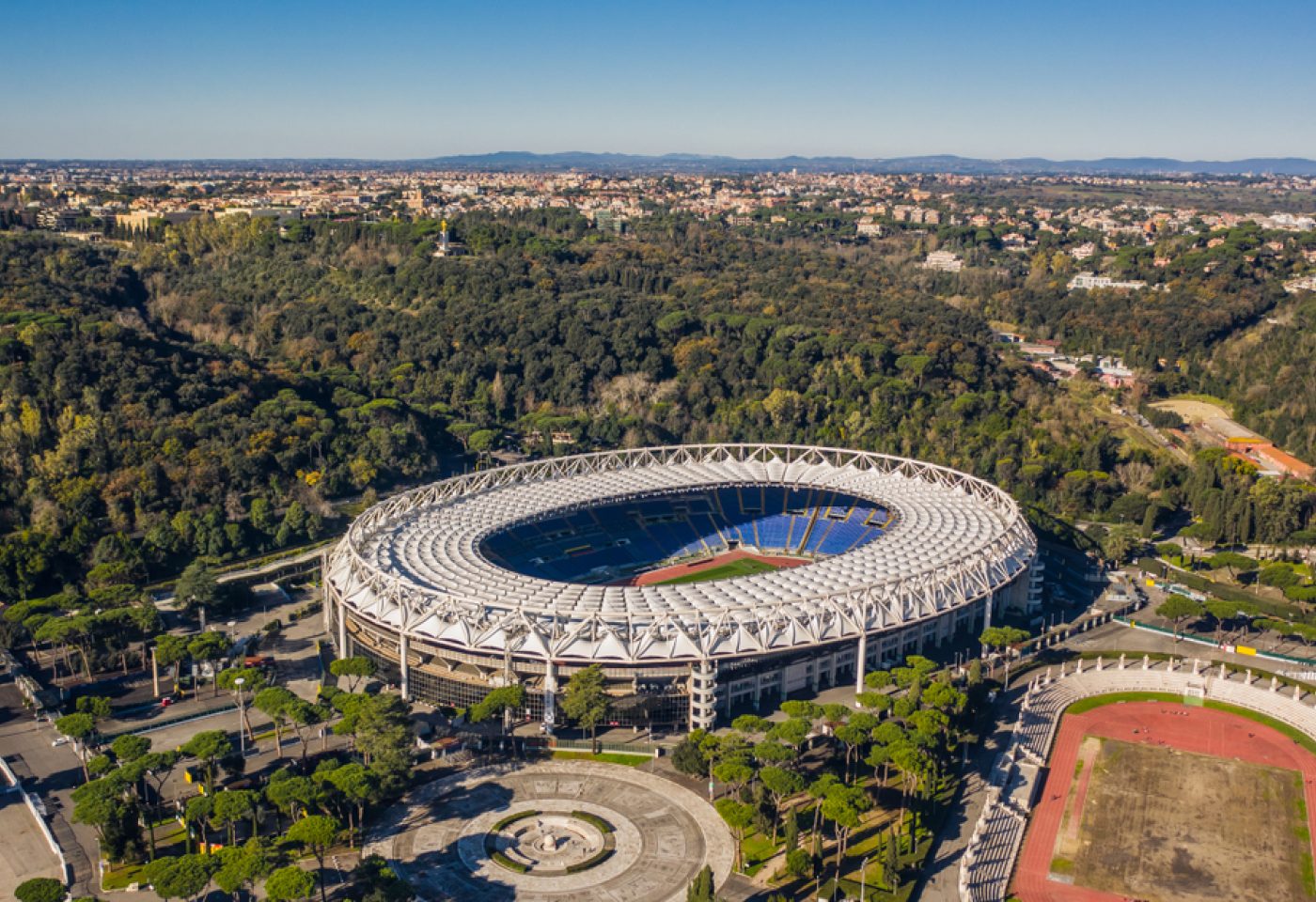
Capacity: 70,634
The Stadio Olimpico is one of the most important and historic sports stadiums in Italy and serves as the home ground of both AS Roma and SS Lazio.
Located in the northern part of Rome within the large Foro Italico sports complex,
the stadium is the biggest sports venue in the capital city and has a seating capacity of more than 70,000 spectators.
Construction of the stadium began in the 1930s, but it was officially opened in 1953 and later renovated several times to meet modern international standards.
The Stadio Olimpico is famous not only for football but also for athletics and major international sporting events.
It hosted the 1960 Summer Olympics, which gave the stadium its name, and over the decades it has welcomed numerous important competitions including the FIFA World Cup,
the UEFA European Championship, and multiple UEFA Champions League finals. The stadium is particularly known for the passionate atmosphere created by the supporters of Roma and Lazio,
especially during the Derby della Capitale, the intense rivalry match between the two Roman clubs that is considered one of the fiercest derbies in world football.
The stadium’s design combines historical importance with modern renovations, featuring large stands, impressive lighting systems, and updated facilities for players, media, and fans.
Many legendary footballers have played unforgettable matches there, including Francesco Totti, Alessandro Nesta, Daniele De Rossi, and Paolo Di Canio.
In addition to football and athletics, the Stadio Olimpico has hosted concerts by internationally famous artists and major cultural events,
making it one of Italy’s most significant entertainment venues. The stadium is also the regular home of the Italian national rugby team during the Six Nations Championship,
adding to its importance in European sports culture. Today, the Stadio Olimpico remains a symbol of Roman sporting passion and Italian football tradition,
admired for its history, atmosphere, and role in hosting some of the biggest events in international sport.
Gewiss Stadium

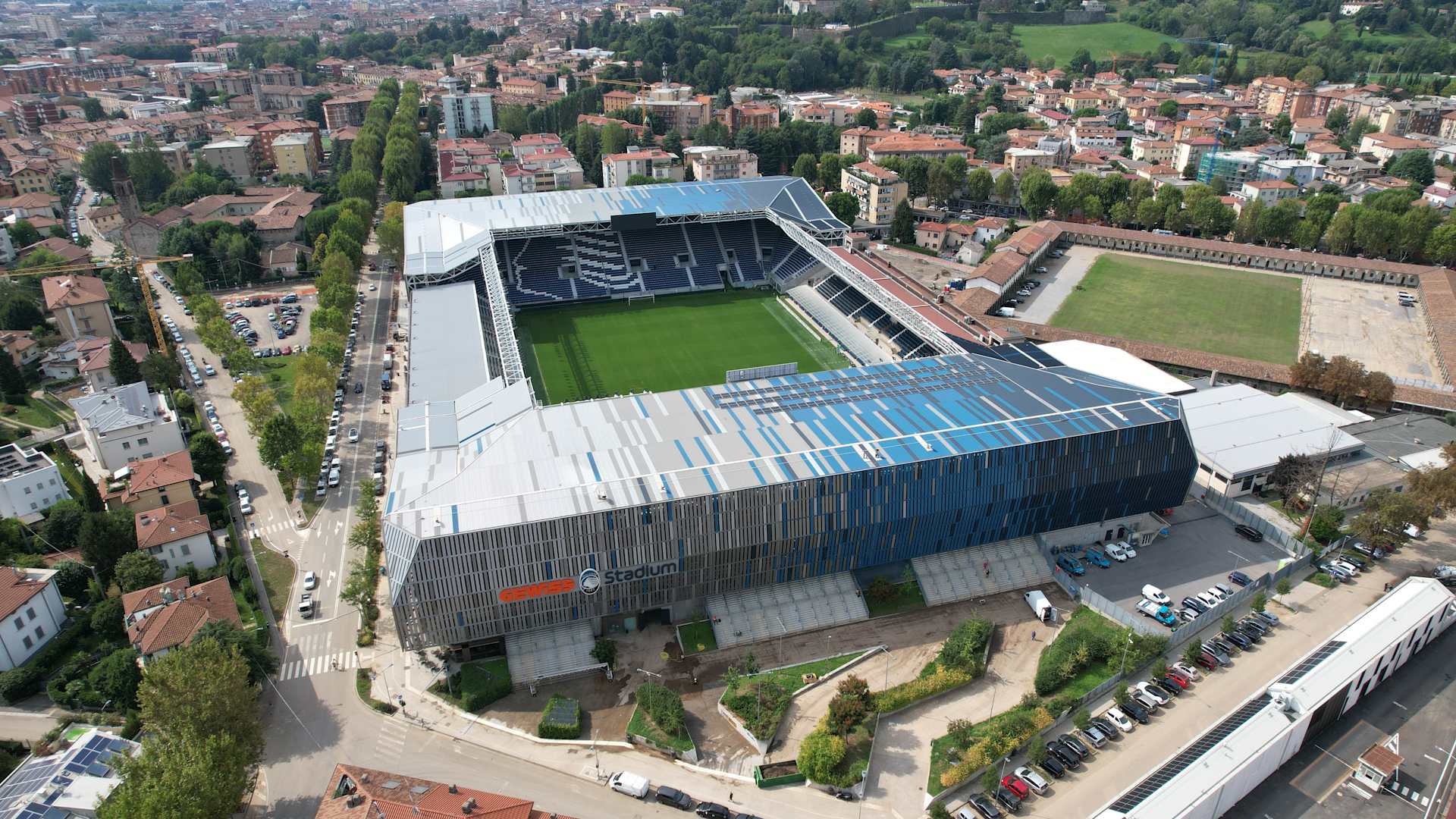
Capacity: 21,300
The Gewiss Stadium is the home stadium of Atalanta BC and is located in the city of Bergamo in northern Italy.
Originally opened in 1928, the stadium has a long history in Italian football and has undergone several renovations to transform it into a
modern football venue while preserving its traditional atmosphere. For many years it was known as Stadio Atleti Azzurri d’Italia,
but in 2019 the naming rights were acquired by the Italian electronics company Gewiss,
leading to its current name, Gewiss Stadium. The stadium has a capacity of around 25,000 spectators and is particularly famous for the passionate support of Atalanta fans,
who create one of the most intense and energetic atmospheres in Serie A. In recent years,
the venue has become increasingly recognized internationally because of Atalanta’s rise in Italian and European football,
especially during their appearances in the UEFA Champions League. The stadium is designed specifically for football, with the stands positioned close to the pitch,
allowing supporters to feel directly involved in the match. Extensive modernization projects have improved the stadium’s infrastructure, seating areas, hospitality services,
lighting systems, and fan facilities while maintaining the compact and intimidating environment that visiting teams often find difficult to play in.
The Curva Nord, where Atalanta’s ultras gather, is considered the heart of the stadium atmosphere and is known for colorful choreographies, chants,
and passionate displays of support throughout matches. Many talented players and club legends have played at the stadium, including Gian Piero Gasperini,
who transformed Atalanta into one of Italy’s most exciting teams, as well as players such as Alejandro Gómez, Duván Zapata, and Josip Iličić. Beyond football,
the stadium is an important symbol for the city of Bergamo and represents the strong connection between Atalanta and its local community.
Today, the Gewiss Stadium is regarded as one of the most atmospheric and rapidly modernizing football stadiums in Italy,
combining historical tradition with the ambitions of a club that has established itself among the top teams in European football.
Stadio Diego Armando Maradona

Capacity: 54,726
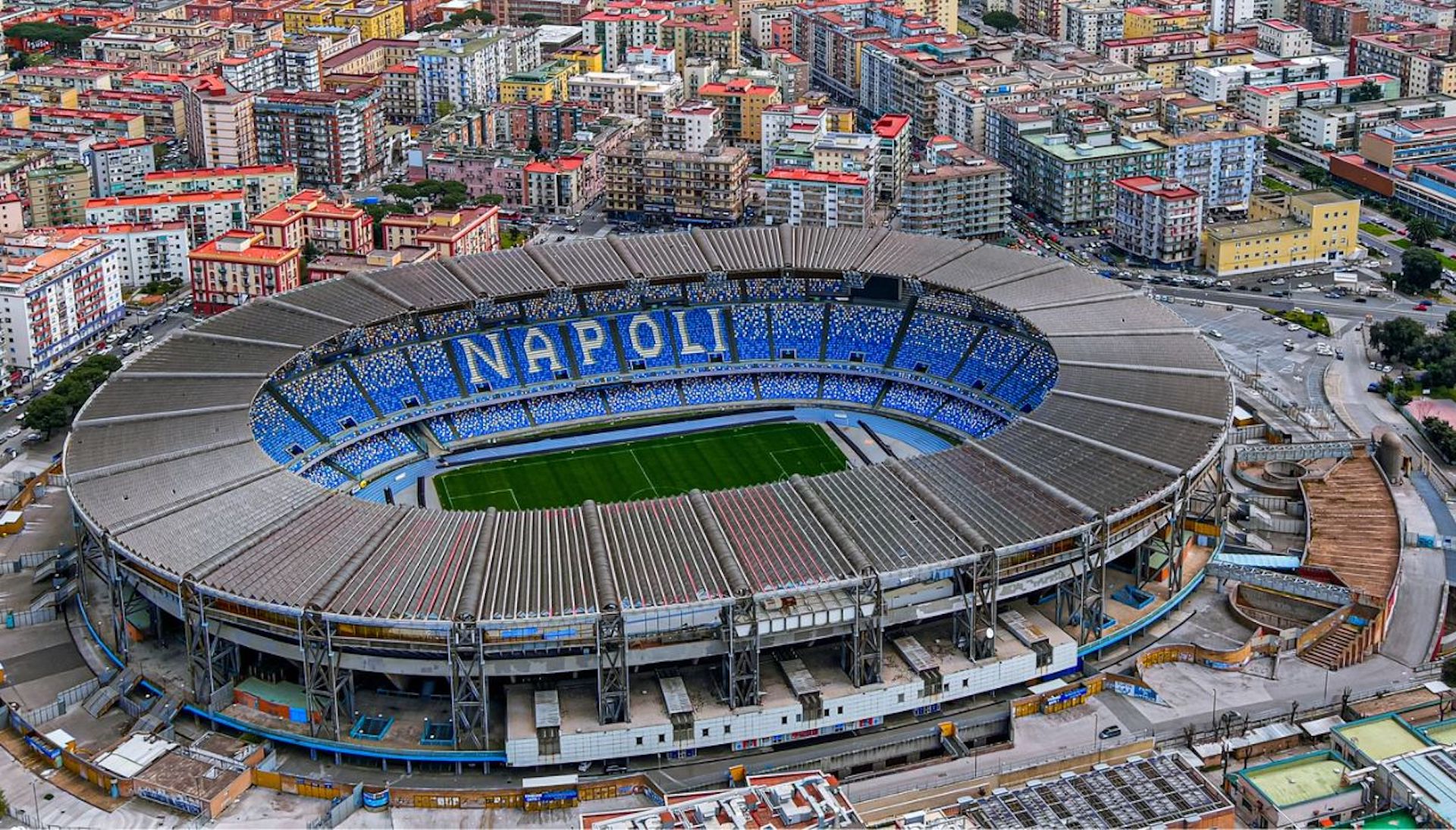
The Stadio Diego Armando Maradona is one of the most iconic football stadiums in Italy and the home of SSC Napoli.
Located in the Fuorigrotta district of Naples, the stadium originally opened in 1959 under the name Stadio San Paolo and became famous worldwide during the years
when the legendary Diego Maradona played for Napoli in the 1980s. Following Maradona’s death in 2020,
the city officially renamed the stadium in his honor to recognize his enormous impact on the club and on the people of Naples,
where he is considered almost a mythical figure. The stadium has a capacity of more than 54,000 spectators and is known for its extraordinary atmosphere,
especially during major Serie A and UEFA Champions League matches. Napoli supporters are famous for their passion, emotion, and loyalty, creating powerful chants,
colorful displays, and intense energy that make the stadium one of the most intimidating venues for visiting teams. Over the decades,
the stadium has hosted many historic football moments, including Napoli’s Serie A title victories during the Maradona era and numerous international
matches involving the Italian national team. It was also one of the venues used during the 1990 FIFA World Cup, including the famous semifinal between Italy and Argentina,
in which Maradona played against the host nation in Naples, creating a deeply emotional and controversial atmosphere. Architecturally,
the stadium combines traditional Italian stadium design with modern renovations carried out over the years to improve seating, lighting, accessibility,
and overall facilities. Although it includes an athletics track around the pitch, the emotional intensity generated by Napoli fans remains one of its defining characteristics.
The stadium has witnessed performances by many legendary players besides Maradona, including Edinson Cavani, Marek Hamšík, Dries Mertens, and Victor Osimhen.
Beyond football, the venue has also hosted concerts and major public events, making it an important cultural landmark in Naples. Today,
the Stadio Diego Armando Maradona is not only a football stadium but also a symbol of the city’s identity, pride, and deep emotional connection to the sport,
representing the unforgettable legacy of one of football’s greatest players and the passionate spirit of Napoli supporters.
Stadio Artemio Franchi

Capacity: 43,147
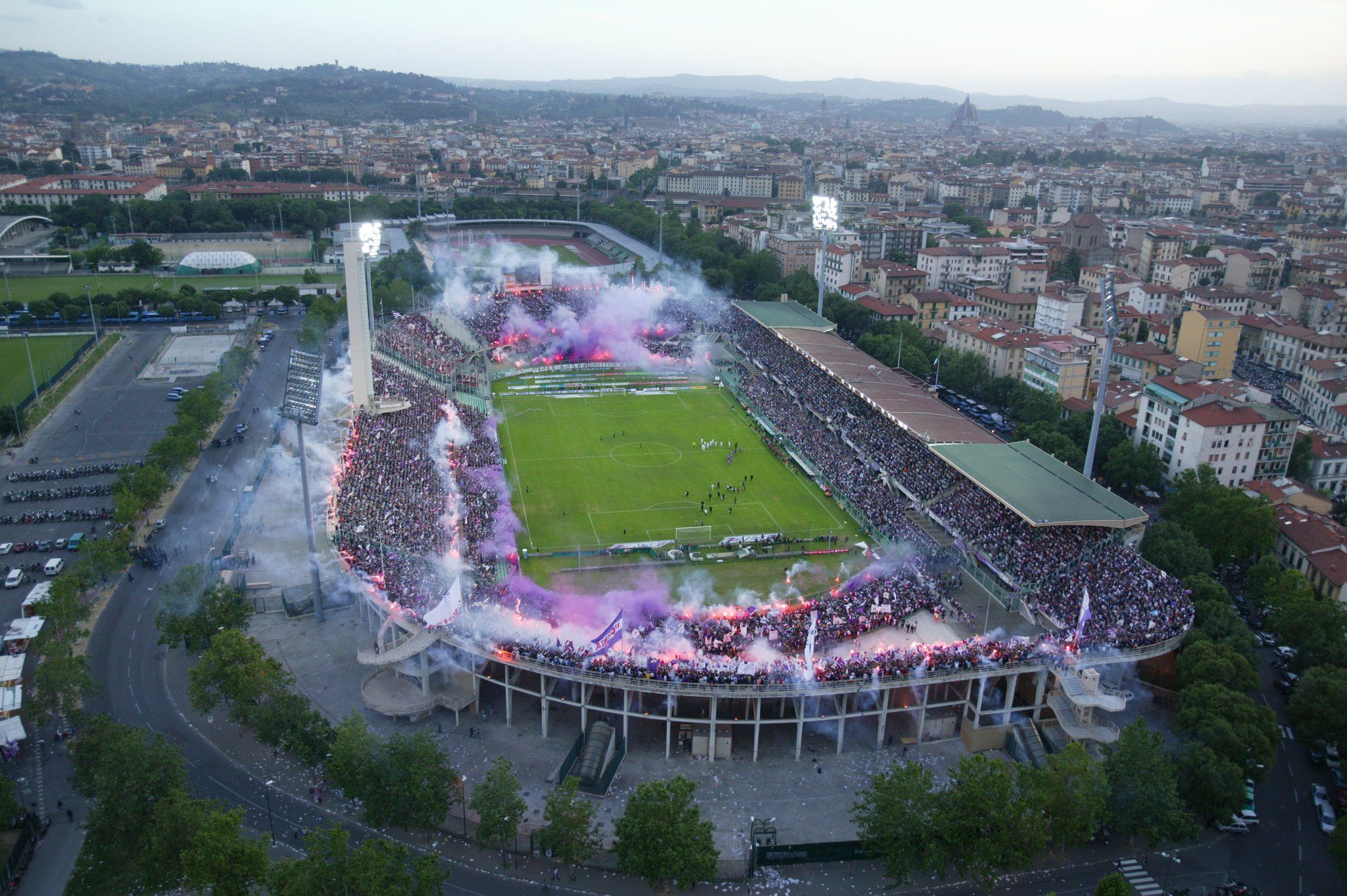
The Stadio Artemio Franchi is the historic home stadium of ACF Fiorentina and is located in the beautiful city of Florence.
Opened in 1931, the stadium is considered one of the most architecturally important sports venues in Italy and was designed by the famous engineer Pier Luigi Nervi,
whose innovative use of reinforced concrete made the structure an important example of modernist architecture.
Originally named Stadio Giovanni Berta during the Fascist era, the stadium later became known as Stadio Comunale before being renamed in honor of Artemio Franchi,
a former president of the Italian Football Federation and UEFA. The stadium has a capacity of around 43,000 spectators and is famous for its distinctive design elements,
including the iconic Marathon Tower and the elegant spiral staircases that have become symbolic features of the venue. Over the decades,
the Stadio Artemio Franchi has hosted countless memorable football matches involving Fiorentina, the Italian national team, and major international competitions,
including matches during the 1990 FIFA World Cup. The atmosphere inside the stadium is deeply connected to the passion of Fiorentina supporters,
whose purple colors and emotional support create a unique environment during Serie A and European matches. Although the stadium includes an athletics track around the pitch,
which creates some distance between the fans and the field, the emotional intensity and historic charm of the venue remain among its most admired qualities.
Many legendary footballers have played there throughout history, including Gabriel Batistuta, Roberto Baggio, Giancarlo Antognoni, and Luca Toni.
The stadium is also known for its cultural and architectural significance beyond football, as it is regarded as an important landmark in Florence and an example of early
twentieth-century engineering innovation. In recent years, discussions and projects for modernization and renovation have aimed to preserve the historical
identity of the stadium while improving comfort, safety, and facilities for modern football standards. Today, the Stadio Artemio Franchi remains one of the most historic
and recognizable football stadiums in Italy, representing both the sporting passion of Florence and the rich tradition of Italian football culture.
Stadio Renato Dall'Ara


Capacity: 38,279
The Stadio Renato Dall'Ara is the historic home stadium of Bologna FC 1909 and is located in the city of Bologna. Opened in 1927,
the stadium is one of the oldest and most traditional football venues in Italy and has played an important role in the history of Italian football for nearly a century.
Originally named Stadio Littoriale during the Fascist era, it later became known as Stadio Comunale before being renamed in honor of Renato Dall’Ara,
the legendary Bologna president who guided the club through one of the most successful periods in its history. The stadium has a capacity of around 36,000
spectators and is recognized for its classic architectural style, including the iconic Marathon Tower that stands as one of its most distinctive features.
Throughout its long history, the stadium has hosted Serie A matches, Coppa Italia games, international fixtures involving the Italian national team,
and matches during the 1990 FIFA World Cup. The atmosphere inside the stadium reflects the deep football tradition of Bologna,
with passionate supporters creating an intense and authentic Italian football experience during home matches.
Although the venue includes an athletics track around the pitch, the close emotional connection between the fans and the team remains one of its defining characteristics.
Over the years, many legendary players and coaches have appeared at the stadium, including Giuseppe Signori, Roberto Baggio, Marco Di Vaio, and Siniša Mihajlović,
who became especially admired by Bologna supporters during his time as coach. The stadium is also appreciated for its historical charm and traditional football atmosphere,
which contrasts with many newer and more modern arenas in Europe. In recent years,
there have been plans and discussions about renovating and modernizing the stadium to improve comfort, accessibility, hospitality areas,
and overall facilities while preserving its historic identity and architectural heritage. Today, the Stadio Renato Dall’Ara remains one of the symbolic stadiums of Italian football,
representing the rich sporting culture of Bologna and the enduring traditions of Serie A.
Stadio Luigi Ferraris

Capacity: 36,599
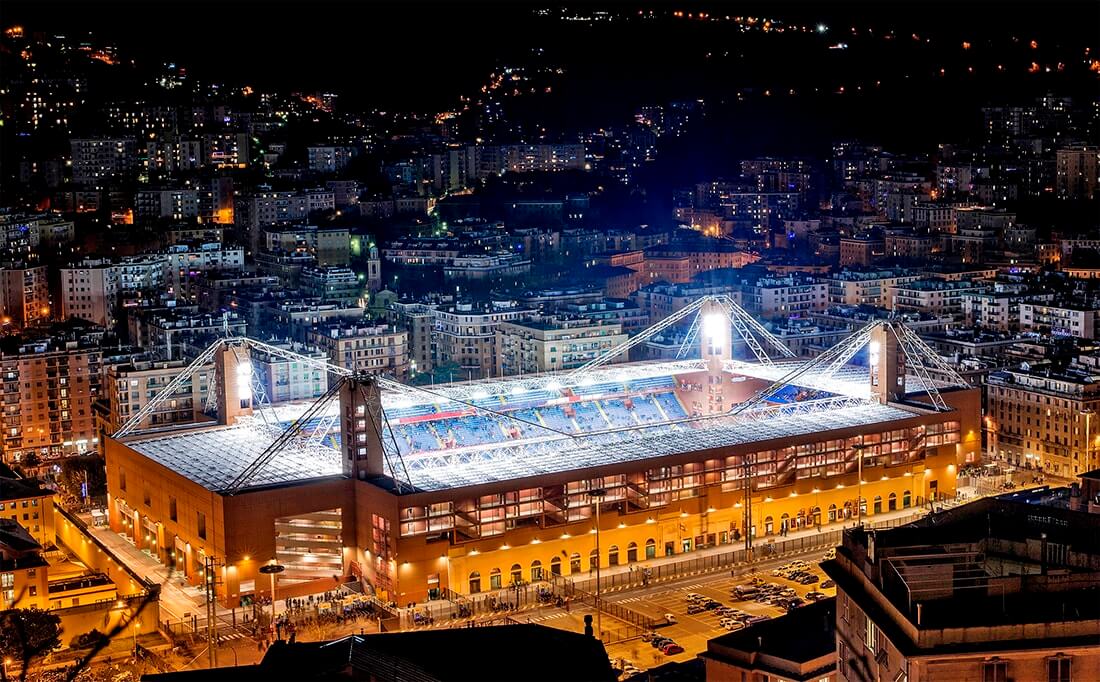
The Stadio Luigi Ferraris, commonly known as Marassi after the district in which it is located, is one of the oldest and most historic football stadiums in Italy.
Situated in the city of Genoa, the stadium serves as the home ground of both Genoa CFC and UC Sampdoria,
making it one of the few major stadiums in Italian football shared by two rival clubs. Opened in 1911,
it was the first true football stadium built in Italy and has become an important symbol of the country’s football heritage.
The stadium was later named after Luigi Ferraris, a Genoese footballer, engineer, and soldier who died during World War I. With a capacity of around 33,000 spectators,
the stadium is famous for its compact structure and intense atmosphere, as the stands rise steeply close to the pitch, creating a feeling of pressure and passion during matches.
The architecture of the stadium, especially after renovations for the 1990 FIFA World Cup, gives it a distinctive English-style appearance that many football fans admire.
The Stadio Luigi Ferraris is particularly famous for hosting the Derby della Lanterna between Genoa and Sampdoria,
one of the most passionate and colorful rivalries in Italian football, known for extraordinary fan choreographies, flags, chants, and emotional intensity.
Throughout its long history, the stadium has hosted numerous important Serie A matches, international games involving the Italian national team, and World Cup fixtures.
Many legendary footballers have played unforgettable matches there, including Roberto Mancini, Gianluca Vialli, Diego Milito, and Ruud Gullit.
The stadium is admired not only for its historical importance but also for the authentic football culture that surrounds it,
reflecting the strong identity and traditions of the city of Genoa. Despite its age,
the stadium continues to be one of the most atmospheric venues in Italian football and remains deeply connected to the history, pride,
and passion of both Genoa and Sampdoria supporters.
Stadio Stadio Friuli (Dacia Arena)

Capacity: 25,144
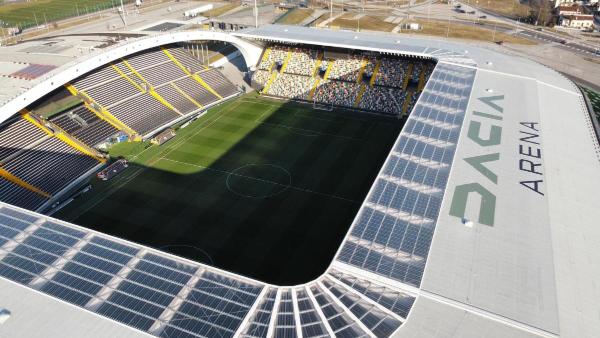
The Bluenergy Stadium, formerly known as Stadio Friuli and often still called by that name by many fans, is the home stadium of Udinese Calcio and is located in the
city of Udine in northeastern Italy. Opened in 1976, the stadium was originally built to replace Udinese’s older ground and quickly became one of the most important sports
venues in the region. Over the years, the stadium underwent major renovations that transformed it into one of the most modern football stadiums in Italy, especially after
a complete redevelopment project completed in the 2010s. The venue currently has a capacity of around 25,000 spectators and is designed specifically for football, with the
stands positioned very close to the pitch to create a more intense and engaging atmosphere for supporters.
Unlike many older Italian stadiums, the renovated structure removed the athletics track and introduced a modern design inspired by English football stadiums,
improving visibility and fan experience significantly. The stadium became known internationally for its clean and innovative architecture, comfortable seating,
modern hospitality areas, and advanced facilities for players, media, and spectators. In 2023, the stadium adopted the commercial name Bluenergy Stadium after
a sponsorship agreement with the energy company Bluenergy Group.
Throughout its history, the stadium has hosted important Serie A matches, international fixtures involving the Italian national team,
and UEFA competitions played by Udinese during some of the club’s most successful years in European football. Many talented and famous players have appeared there,
including Antonio Di Natale, widely considered the greatest player in Udinese history, as well as stars such as Alexis Sánchez, Samir Handanović, and Oliver Bierhoff.
The atmosphere inside the stadium reflects the strong local identity and loyalty of Udinese supporters, who are known for their passionate but respectful support of the team.
Today, the Bluenergy Stadium is regarded as one of the best examples of modern stadium redevelopment in Italian football, combining comfort, functionality,
and tradition while remaining an important symbol of football culture in the Friuli Venezia Giulia region.
Stadio Marc'Antonio Bentegodi

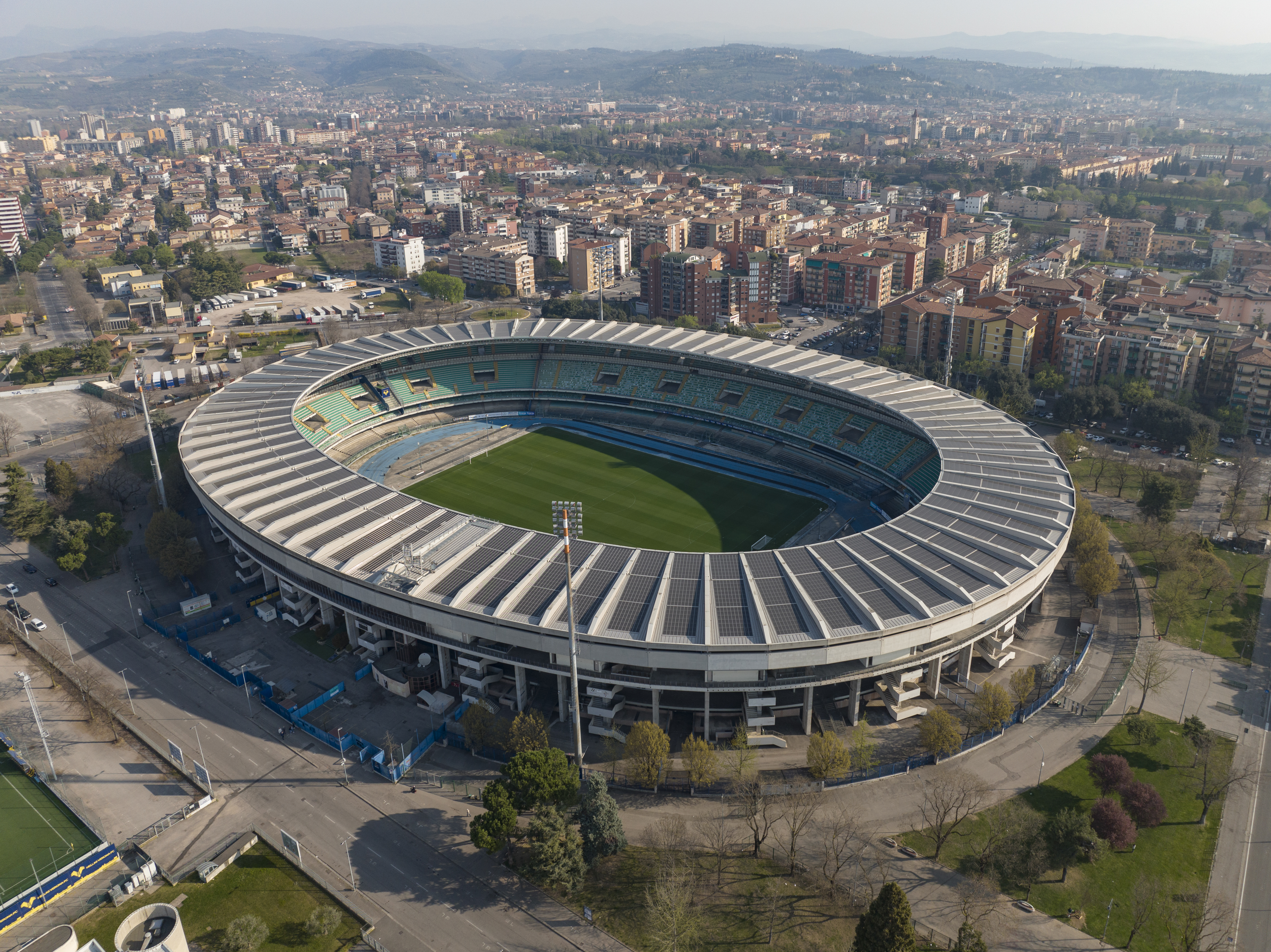
Capacity: 39,211
Stadio Marc ‘Antonio Bentegodi is the main football stadium in Verona and one of Italy’s most recognizable older stadiums.
Opened in 1963, it was named after Marcantonio Bentegodi, a local sports benefactor who helped promote athletics in Verona.
The stadium is best known as the home of Hellas Verona FC and previously also hosted AC Chievo Verona.
The stadium currently holds around 39,000 spectators and has a classic oval design with athletics track around the pitch.
It became internationally famous after being renovated for the 1990 FIFA World Cup, when a roof and improved seating were added.
It hosted several World Cup matches during that tournament.
The Bentegodi is known for its intense football atmosphere, especially during Hellas Verona matches, with passionate supporters filling the Curva Sud section.
Although many fans appreciate its historic and traditional character, the stadium is also considered somewhat outdated compared with newer European arenas.
Discussions continue about major renovations or rebuilding plans for future international events such as UEFA Euro 2032.